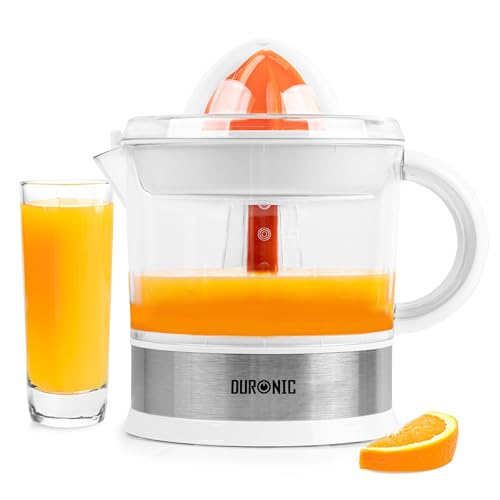
juice quality showdown comparing slow and fast juicers
As the trend for healthy living continues to surge, juicing has become a staple in many households. With numerous juicers available on the market, choosing between slow juicers and fast juicers can be daunting. This article explores the differences in juice quality produced by these two types of juicers to help you make an informed decision.
Understanding Slow Juicers
Slow juicers, also known as masticating juicers, operate at a lower speed, typically around 40 to 100 RPM. This method gently crushes and presses the fruits and vegetables, preserving the nutrients and enzymes that are often lost in high-speed juicing. The result is a thicker, more nutrient-dense juice that retains natural flavours and colours.
One of the main advantages of slow juicers is their ability to extract juice from leafy greens and wheatgrass effectively. If you are a fan of green juices, investing in a slow juicer can significantly enhance your juice quality. Furthermore, slow juicers tend to produce less foam and oxidation, resulting in a fresher taste and longer shelf life for your juice.
The Benefits of Fast Juicers
Fast juicers, also known as centrifugal juicers, operate at higher speeds, often exceeding 10,000 RPM. This rapid spinning action quickly extracts juice from fruits and vegetables by shredding them and using centrifugal force to separate the juice from the pulp. While fast juicers are praised for their speed and convenience, they do come with a few trade-offs.
People Also Look For:
- Fretta Cold Press Juicer Machines, Self-Feeding juicer with 108mm&1.0L Feeding Chute for Whole Fruits and Vegetables, Automatic 20...
- Manual Lemon Squeezer, Heavy Duty Metal Citrus Press Juicer, Premium Lemon Orange Lime Hand Juicer, Engineered Hand Squeezer Easy ...
- Electric Citrus Juicer Rechargeable - Electric Juicer Machines with USB and Cleaning Brush Portable Compact Juicer for Orange, Lem...
- Lemon Squeezer, 2pcs Screw Top Lemon Squeezer, Manual Lemons Juicer with Built-In Filter, Compact Juice Extractor Citrus Press wit...
- 1000W Juicer Machines Whole Fruit and Vegetable Juice Extractor,Centrifugal Juicer with 2 Speed Control for Fruit and Vegetables
The main downside of fast juicers is the heat generated during the juicing process. This heat can lead to nutrient degradation, especially for delicate vitamins like vitamin C and some B vitamins. The quality of juice produced by fast juicers may also suffer in terms of taste and texture, often resulting in a thinner liquid with more foam and less vibrant colours.
Comparing Juice Quality
When comparing the juice quality of slow and fast juicers, several factors come into play, including nutrition, taste, and shelf life. Slow juicers excel in preserving nutrients, providing a richer, more wholesome juice experience. In contrast, fast juicers may produce a juice that is less nutrient-dense and may lack the robust flavour profile offered by their slower counterparts.
Moreover, the shelf life of juice from slow juicers is generally longer due to reduced oxidation. Many users report that they can store their slow-juiced creations for up to 72 hours in the fridge without significant quality loss, whereas fast-juiced juices are best consumed immediately.
Practical Advice for Choosing a Juicer
When deciding between a slow and a fast juicer, consider your juicing habits and preferences. If you prioritise premium juice quality with maximum nutritional benefits, a slow juicer would be the ideal choice. However, if you lead a busy lifestyle and require something quick and easy, a fast juicer can be a practical solution.
Don’t forget to assess the ease of cleaning and the size of the juicer. Slow juicers often come with more components, which can make cleaning slightly more time-consuming. Fast juicers, on the other hand, usually have fewer parts, making them easier to clean. Additionally, consider the space you have available; some slow juicers can be quite bulky.
The Verdict on Price
Another aspect to consider is the price range. Generally, slow juicers tend to be more expensive than fast juicers due to their advanced technology and superior design. If budget constraints are a concern, it is important to weigh the long-term benefits of investing in a slow juicer against the initial cost.